
Finding out your child has color blindness can feel overwhelming. You start replaying moments, the crayon mix-ups, the confusion during games, the frustration you could not quite explain. Then comes the practical question every parent asks next, what do I actually do now? The good news is that color blindness does not limit what your child can learn, play, or become. It just means some of the tools around them need to work a little harder.
What your child actually sees
Red-green color blindness is the most common type, affecting around 8% of boys in Northern Europe. It does not mean your child sees in black and white. It means certain colors, reds, greens, browns, and oranges, blur into each other without additional visual cues like shape, contrast, or labeling. This matters in play. Most toys are designed assuming a child can distinguish colors easily. When they cannot, what looks like confusion is often just a child doing their best with tools that were not made for them
The most important thing you can do at home
Prioritize contrast over color. A toy that relies purely on color to communicate, ”this piece goes here because it is red”, will frustrate a colorblind child. A toy that uses bold shapes, thick outlines, and high-contrast combinations alongside color will work for them just as well as any other child. This is not about removing color from your child’s world. It is about making sure color is never the only signal
What to look for in colorblind friendly toys for toddlers
When shopping for toys for a child with color vision deficiency, look for these things:
High contrast, colors should be visually distinct even without red-green differentiation. Deep blue, bright yellow, black, and white work well together. Avoid toys that rely heavily on red and green side by side.
Bold outlines, shapes defined clearly by their edges, not just their fill color, are far easier to identify and learn from.
Tactile variety, a toy that feels different as well as looks different gives your child two ways to identify it, not one.
Clear naming, for toddlers building vocabulary, toys that show or suggest the object name alongside the figure help children learn independently, without relying on color recognition alone.
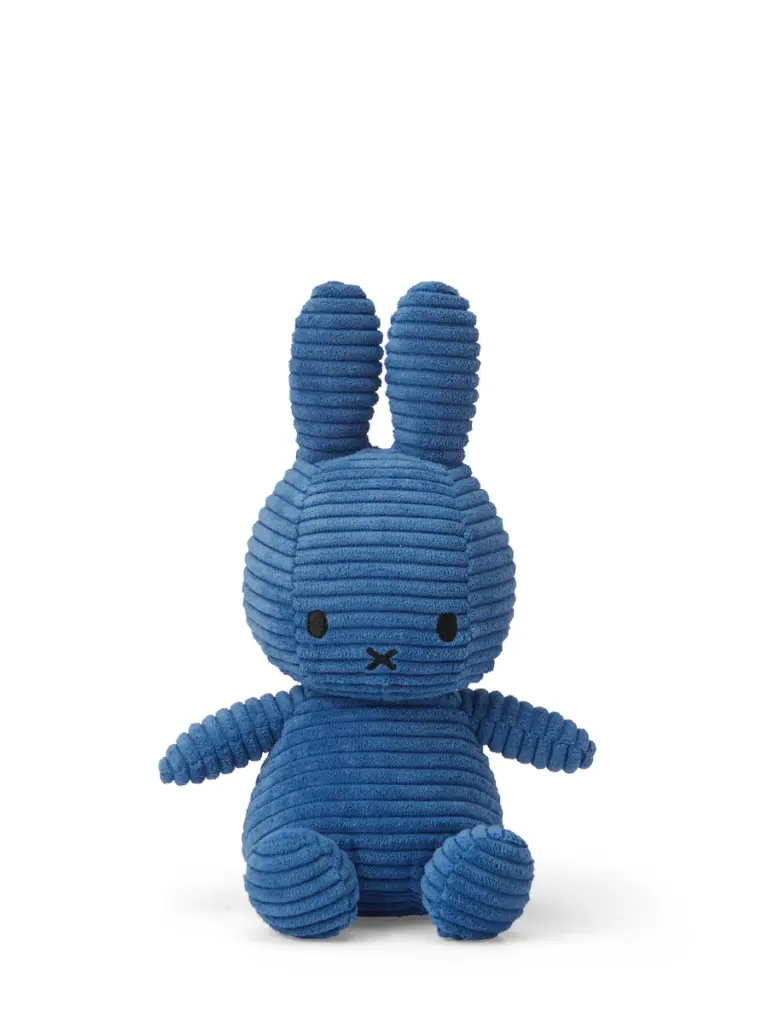
Most colorblind children learn color names perfectly well, they just learn them differently. They associate the word “red” with a specific object or memory rather than a visual sensation. Repetition and calm consistency matter far more than any specific product.
What helps most is removing the pressure from color-based activities. When your child can pick up a small animal figure, recognize it as a lion by its bold shape, and say its name out loud, that is a real win, regardless of what they called the color.
The toys that work best for colorblind children are almost always simply well-made toys. High contrast, bold shapes, clear visual hierarchy, these principles make any toy better for any child. Choosing colorblind friendly toys for your toddler is not settling for less. It is choosing something made with more intention.
That is exactly what Pink Unicorn is built around. Every animal figure in our shop uses high-contrast colors and distinct shapes so your child can identify, name, and play independently. Because every child deserves that moment.